Europan 19 theme
Re-sourcing 2
Re-sourcing through natural elements: how to re-nature inhabited milieus?
To Re-Nature on an urban scale involves reconciling the city with nature. This implies transforming built-up areas so that they become lively, porous and permeable, but while also restoring ecological balance in certain artificial spaces that are often concrete-covered, waterproofed or polluted. It involves, for example, creating continuous green spaces (parks or ecological corridors between district) at the territorial level; or at the urban scale, promoting nature-based solutions (green roofs, green facades, urban wetlands), limiting concrete where it is not essential and leaving a proportion of permeable ground, integrating low-impact human uses (footpaths, benches, recreational areas), adapting lighting and noise levels to protect urban wildlife, defining a balance between land use and conservation… Re-Naturation is often the first step towards a renewed harmony between nature and culture at a site level, paving the way for other forms of re-sourcing to take place.
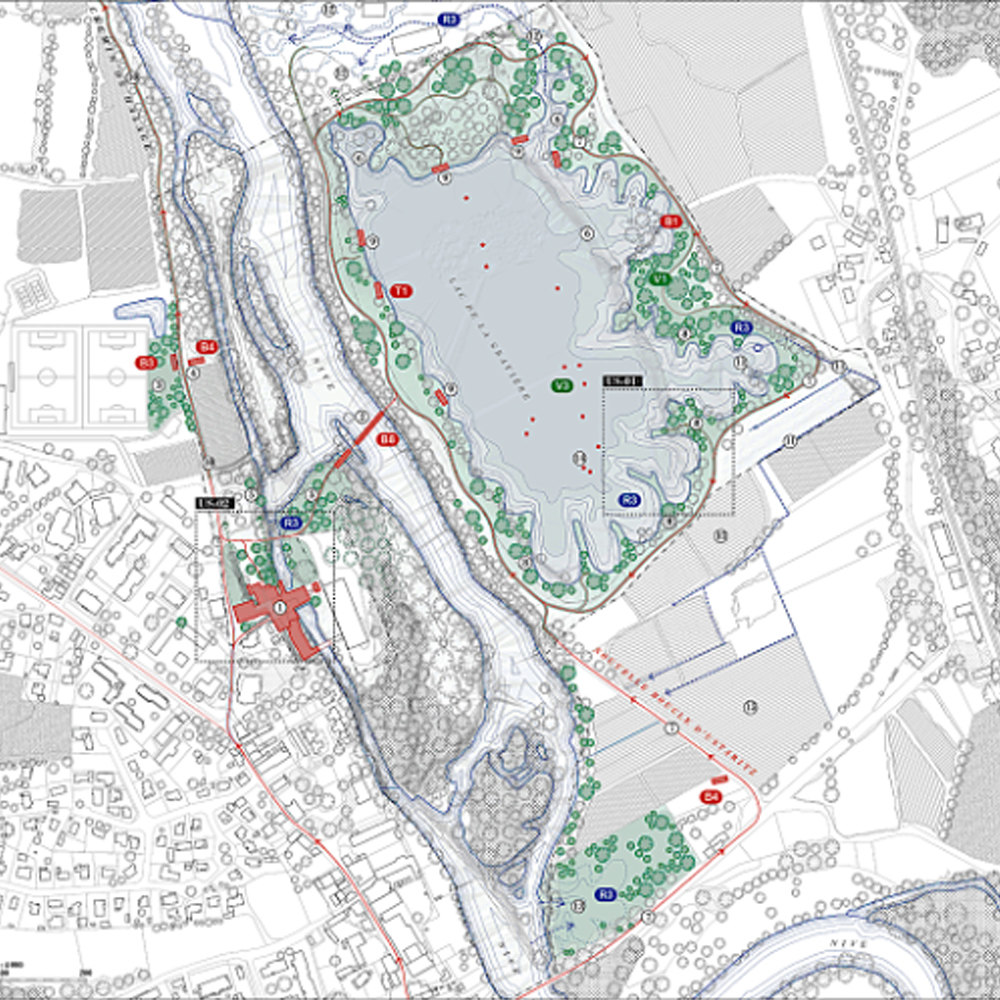
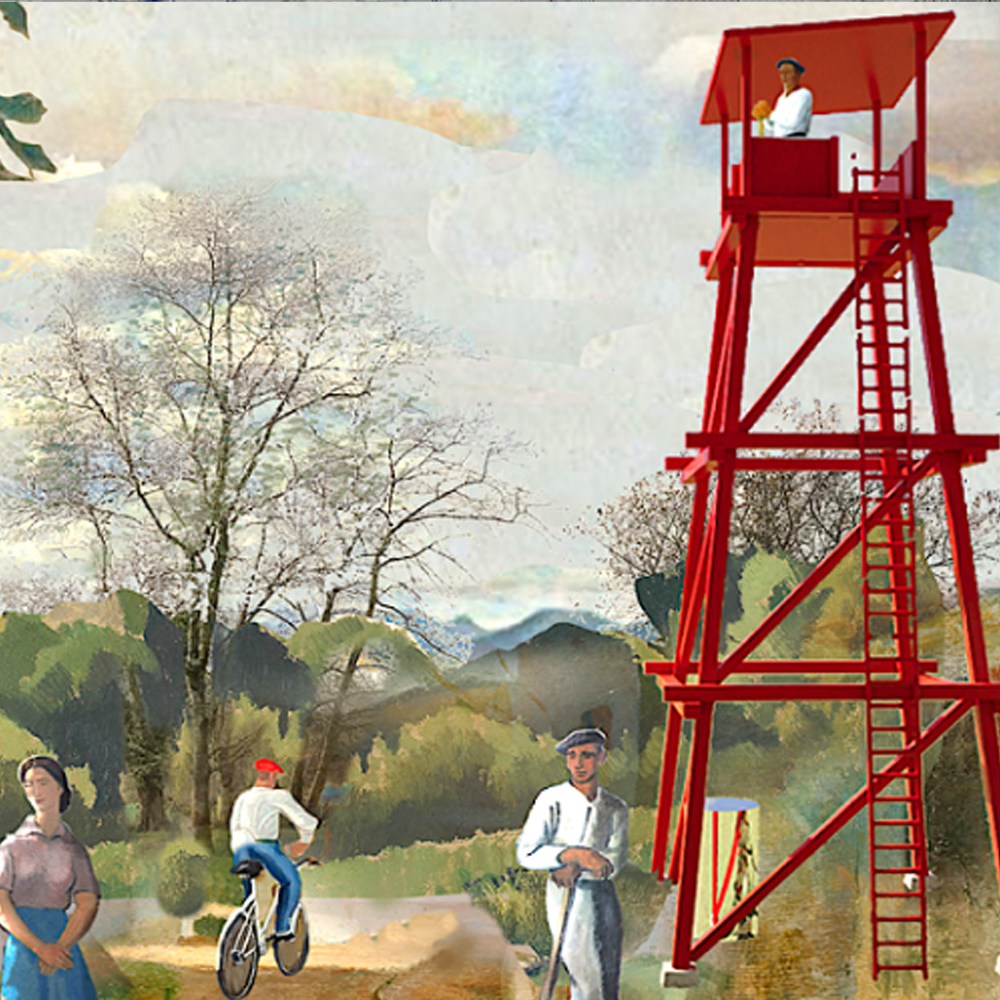
Project image — E18 La Nive (FR) — Winner — Ressources de la Nive
Re-sourcing through social dynamics: how to co-habit?
To Co-Habit refers to the way in which different populations or different uses share the same territory and space, whether at the level of a district or of a building. In an urban environment, humans and non-humans can co-habit by enhancing biodiversity (local plants, birds, insects…) and social and cultural diversity through a variety of occupants, uses and atmospheres: humans with different lifestyles (families, single people, different generations), private and communal uses (housing, shared spaces, communal gardens), soft mobility and residential life (pedestrian traffic, cycling, transport), built-up areas and permeable spaces (green courtyards, vegetable gardens, green roofs), social activities and tranquillity (playgrounds, quiet zones, meeting spaces)…
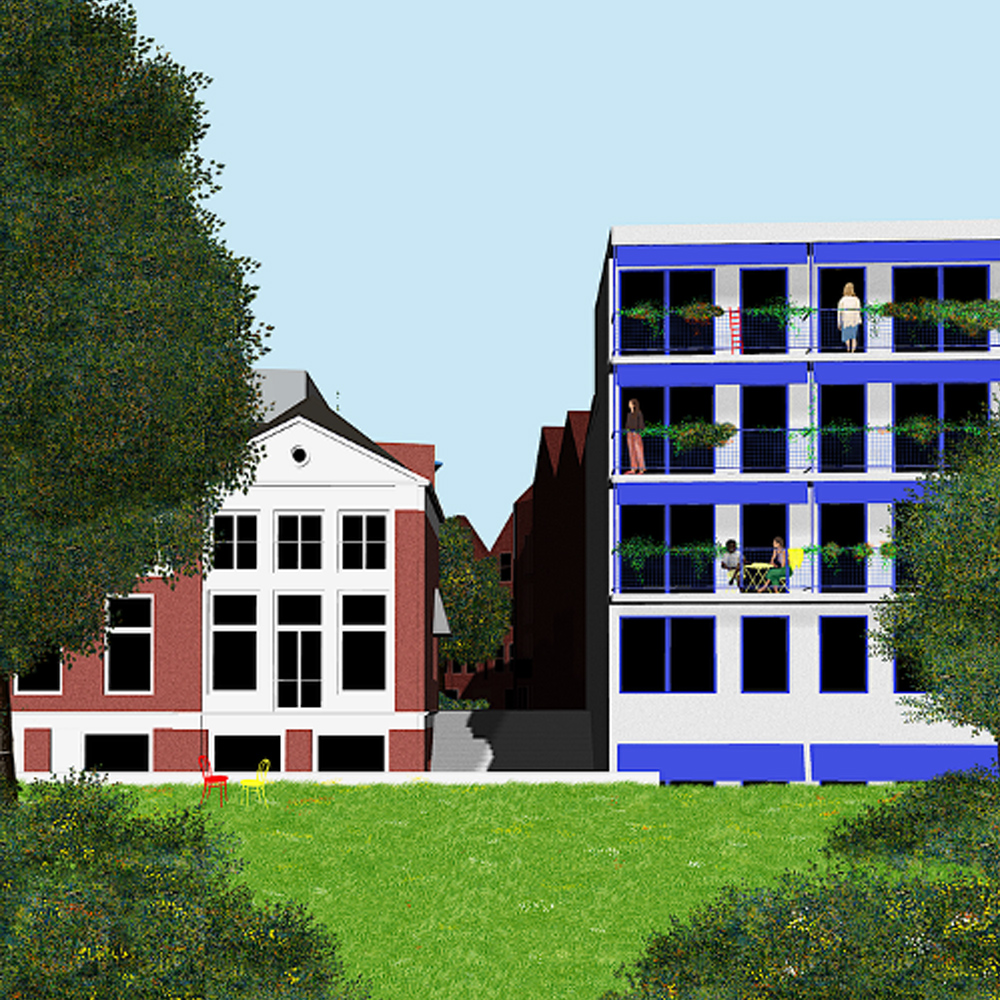
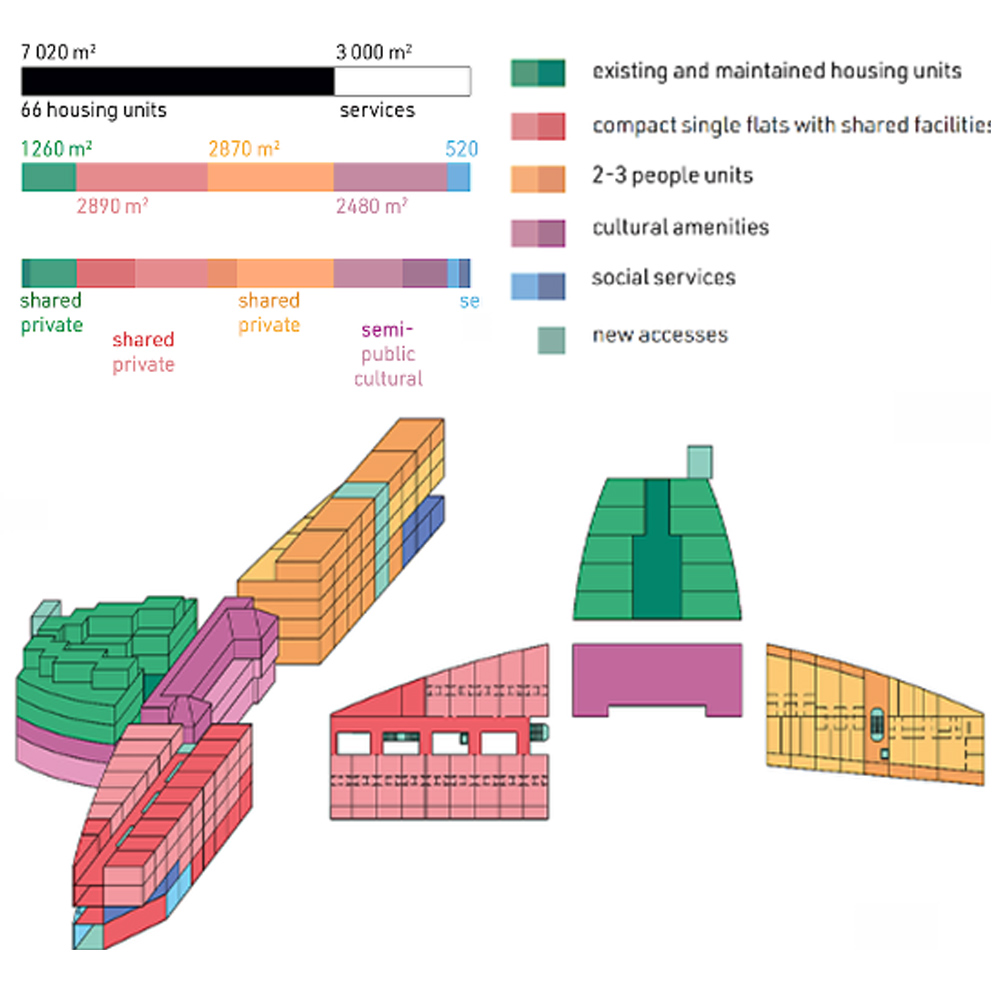
Project image — E18 Amersfoort Amicitia (NL) — Runner-up — old walls, new ties
Re-sourcing through materiality: how to re-use?
To Re-Use on an urban scale involves developing the city by building on its existing infrastructure and spatial resources. It refers to all practices aimed at repurposing existing buildings, infrastructures or spaces: integrating existing elements into a new project rather than demolishing or replacing them. This forms a part of a circular economy and sustainable development approach, which seeks to save resources, energy and land by limiting land degradation. At the architectural level, this may involve re-using an entire building or part of it, re-using on-site structures and materials (stone, timber, bricks, roof structures, doors, floors), etc.
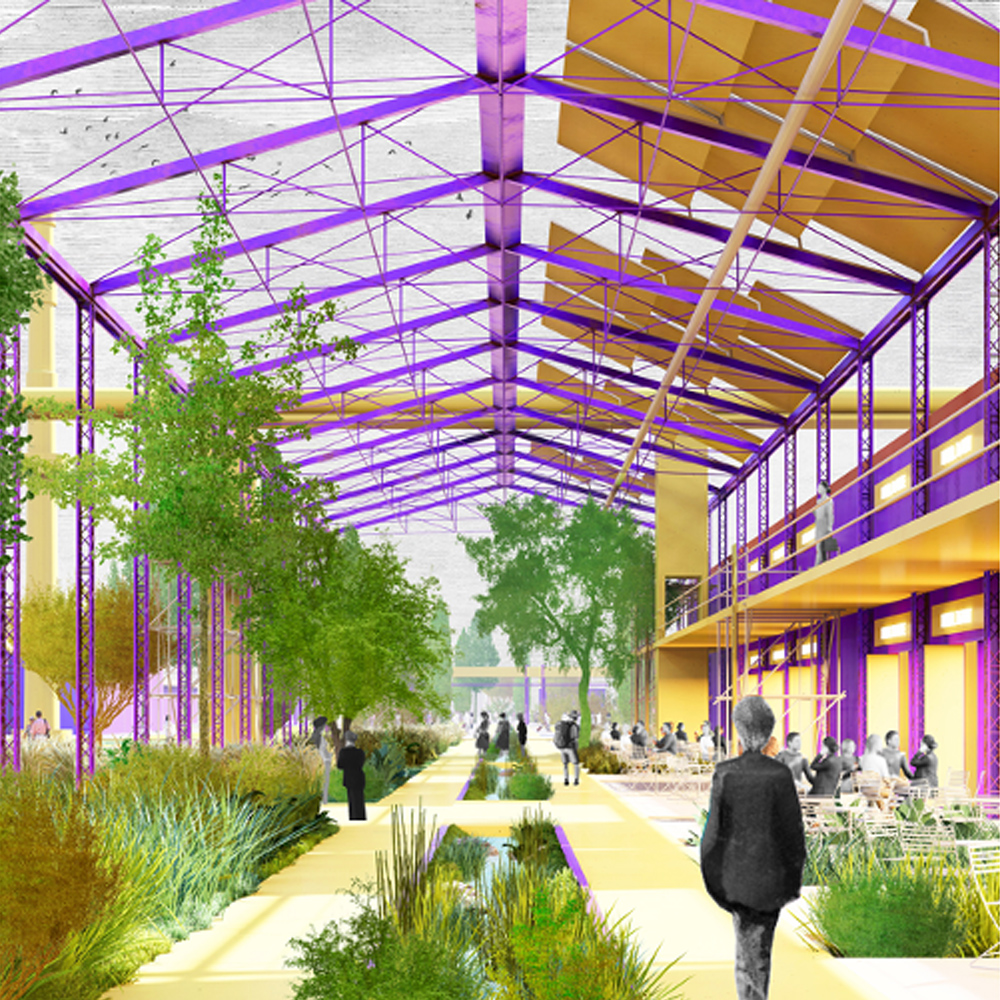
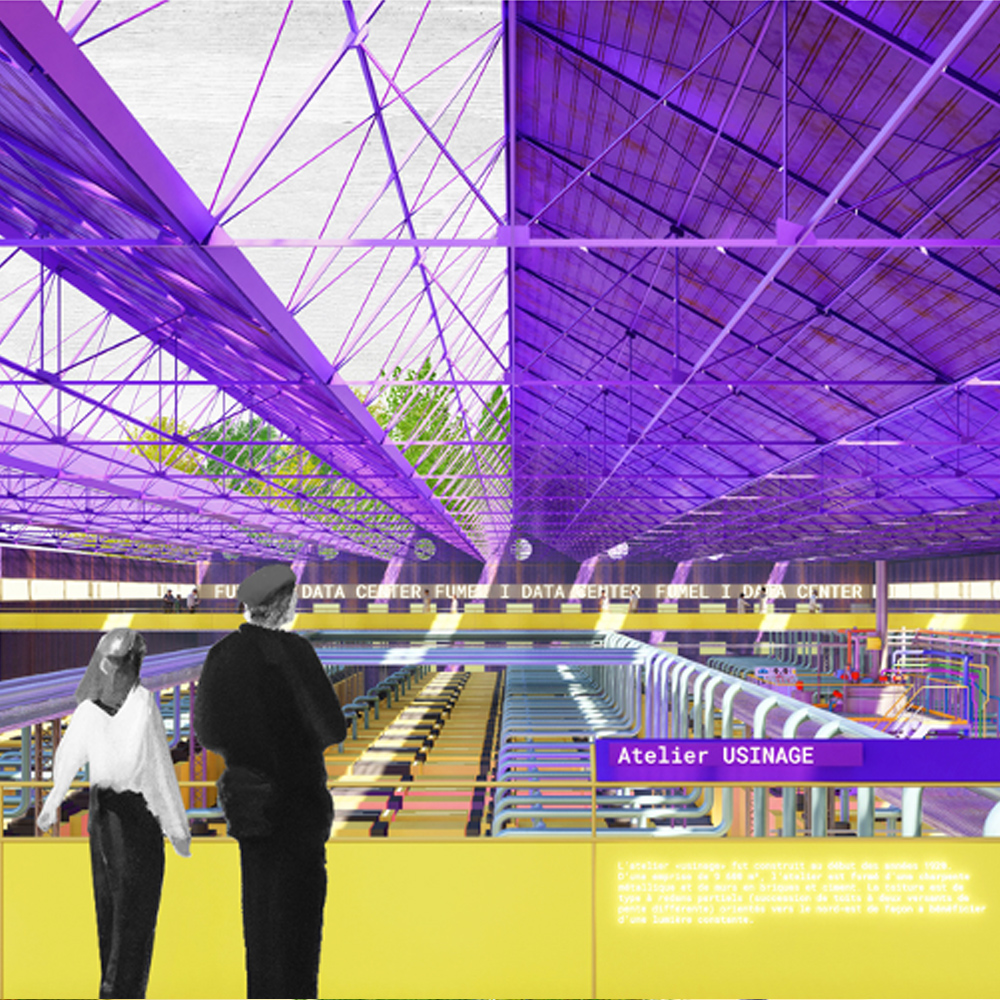
Project image — E18 Fumel (FR) — Winner — From Rust to Roots